
Carports for RV
Whether you’re a weekend camper or a full-time traveler, your recreational vehicle is a significant investment that deserves proper care. A carport designed specifically for RVs offers a practical, durable, and cost-effective solution to protect your vehicle from the elements, extend its lifespan, and maintain its value.
Explore metal and steel RV shelters, canopy covers, and customizable carport solutions for motor homes and trailers.
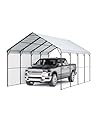


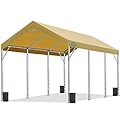


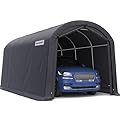

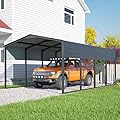

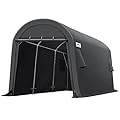

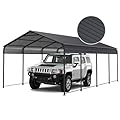

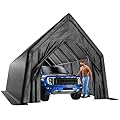


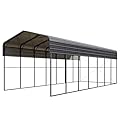
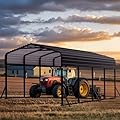
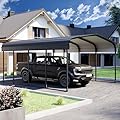

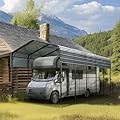
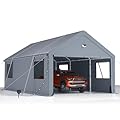
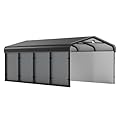
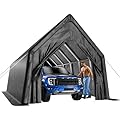
Why Choose a Carport for Your RV?
An RV carport is more than just a shelter—it’s a shield against nature’s unpredictable forces. Unlike a traditional garage, a carport offers open-sided protection that balances accessibility with robust defense against weather-related wear and tear. Here’s why an RV carport is a smart choice for RV owners:
Protection from the Elements
RVs are built for adventure, but prolonged exposure to sun, rain, snow, and wind can take a toll. UV rays can fade paint and damage exterior finishes, while rain and snow can lead to rust, mold, or water damage. A carport provides a protective roof to shield your RV from:
-
Sun Damage: Prolonged UV exposure can crack rubber seals, fade graphics, and weaken exterior materials. A carport blocks harmful rays, keeping your RV looking newer for longer.
-
Rain and Moisture: Water can seep into seams, causing leaks or mold growth. A carport keeps rain at bay, reducing the risk of water-related damage.
-
Snow and Ice: Heavy snow can strain an RV’s roof, while ice can damage components. A carport prevents snow accumulation, protecting your vehicle in harsh winters.
-
Wind and Debris: Falling branches, hail, or windblown debris can dent or scratch your RV. A carport acts as a barrier, minimizing these risks.
Cost-Effective Alternative to Garages
Building a fully enclosed garage for an RV can be expensive and impractical, especially for larger vehicles. Carports are a budget-friendly alternative, offering similar protection at a fraction of the cost. They require less material and labor to construct, making them an accessible option for RV owners looking to save without compromising on quality.
Easy Access and Ventilation
Unlike enclosed garages, carports provide open sides for easy access to your RV. This makes it simple to park, perform maintenance, or load and unload gear. The open design also promotes ventilation, reducing the risk of trapped moisture that can lead to mold or mildew.
Versatility and Customization
RV carports come in a variety of sizes, styles, and materials to suit your needs. Whether you have a compact camper van or a full-sized motorhome, you can find a carport tailored to your vehicle’s dimensions. Many carports also offer customization options, such as additional storage space, side panels, or aesthetic enhancements to match your property.
Key Features of RV Carports
When choosing a carport for your RV, it’s essential to understand the features that make these structures effective and durable. Here are the key components to look for:
Durable Materials
RV carports are typically constructed from sturdy materials designed to withstand the elements:
-
Steel: Galvanized or powder-coated steel is a popular choice for its strength and resistance to rust. Steel carports are built to last, even in harsh weather conditions.
-
Aluminum: Lightweight yet durable, aluminum carports are resistant to corrosion and ideal for coastal areas with salty air.
-
Wood: For a more traditional look, wooden carports offer aesthetic appeal but may require more maintenance to protect against rot or pests.
Custom Sizing
RVs come in various shapes and sizes, from compact teardrop trailers to 40-foot Class A motorhomes. A quality RV carport is designed to accommodate your specific vehicle, with ample height, width, and length to ensure a proper fit. Standard RV carport sizes often range from 12 to 18 feet wide and 20 to 40 feet long, with heights up to 15 feet or more to accommodate tall motorhomes.
Roof Styles
The roof of an RV carport plays a critical role in its functionality. Common roof styles include:
-
Regular Roof: A curved, slanted design that provides basic protection and is cost-effective.
-
A-Frame Roof: A peaked roof that offers better runoff for rain and snow, ideal for areas with heavy precipitation.
-
Vertical Roof: The most durable option, with vertical panels that channel water, snow, and debris away efficiently. This style is recommended for regions with extreme weather.
Anchoring Systems
A stable carport requires a secure anchoring system to withstand wind and other forces. Most RV carports are anchored to the ground using:
-
Concrete Anchors: For installation on concrete slabs, providing a solid foundation.
-
Ground Anchors: For installation on soil or gravel, offering flexibility for uneven terrain.
-
Mobile Home Anchors: For added stability in high-wind areas, ensuring your carport stays in place.
Optional Add-Ons
Many RV carports offer customizable features to enhance functionality:
-
Side Panels: Partial or full sidewalls can provide extra protection from wind, rain, or sun.
-
Gable Ends: Decorative or functional gable ends can improve aesthetics and shield against blowing rain.
-
Storage Extensions: Add space for storing camping gear, tools, or other equipment alongside your RV.
-
Custom Colors: Choose from a range of colors to match your home or property.
Benefits of Installing an RV Carport
Investing in an RV carport offers numerous advantages that go beyond basic protection. Here’s how a carport can enhance your RV ownership experience:
Extends RV Lifespan
By shielding your RV from environmental damage, a carport helps preserve its structural integrity and appearance. This reduces the need for costly repairs, such as repainting, roof resealing, or replacing damaged components.
Increases Resale Value
A well-maintained RV retains more of its resale value. A carport ensures your vehicle stays in top condition, making it more appealing to potential buyers if you decide to sell.
Enhances Property Value
An RV carport can add value to your property by providing a dedicated space for your vehicle. It also enhances curb appeal, especially if you choose a design that complements your home’s architecture.
Convenient Storage Solution
An RV carport keeps your vehicle close to home, eliminating the need for off-site storage facilities. This saves money on monthly storage fees and makes it easier to access your RV for spontaneous trips.
Multi-Purpose Use
Beyond protecting your RV, a carport can serve as a versatile outdoor space. Use it to shelter boats, cars, or other vehicles, or transform it into a covered area for gatherings, workshops, or storage.
Choosing the Right RV Carport
Selecting the perfect carport for your RV requires careful consideration of your needs, budget, and local conditions. Here are some factors to keep in mind:
Size and Dimensions
Measure your RV’s height, width, and length to ensure the carport provides enough clearance. Don’t forget to account for slide-outs, awnings, or rooftop accessories like air conditioners or satellite dishes. A good rule of thumb is to choose a carport with at least 1–2 feet of extra clearance on all sides.
Local Weather Conditions
Consider your region’s climate when selecting a carport:
-
Sunny Climates: Prioritize UV-resistant materials and a sturdy roof to block intense sunlight.
-
Rainy Climates: Opt for a vertical or A-frame roof to ensure proper water runoff.
-
Snowy Climates: Choose a carport with a high snow load rating and a sloped roof to prevent snow buildup.
-
Windy Climates: Look for reinforced anchoring systems and durable materials to withstand strong gusts.
Installation Surface
The surface where your carport will be installed affects its stability and longevity. Common surfaces include:
-
Concrete: Provides a solid, level foundation for maximum stability.
-
Gravel: A cost-effective option for uneven terrain, though it may require additional anchoring.
-
Dirt or Grass: Suitable for temporary or portable carports, but less stable than concrete or gravel.
Budget Considerations
RV carports come in a range of price points, depending on size, materials, and features. Basic models start at a few hundred dollars, while larger, customized carports can cost several thousand. Set a budget and prioritize features that align with your needs, such as durability or additional storage.
Local Regulations
Before purchasing a carport, check local zoning laws, building codes, and homeowners’ association (HOA) rules. Some areas require permits for carport installation, especially for larger structures. Ensure your carport complies with any height, setback, or aesthetic requirements.
Installation and Maintenance Tips
Professional vs. DIY Installation
Many RV carports come as kits that can be assembled by homeowners with basic tools and skills. However, professional installation is recommended for larger or more complex structures to ensure proper anchoring and stability. If you opt for DIY, follow the manufacturer’s instructions carefully and enlist help for heavy lifting.
Maintenance for Longevity
To keep your RV carport in top condition, follow these maintenance tips:
-
Regular Inspections: Check for signs of rust, loose bolts, or structural damage, especially after severe weather.
-
Clean the Roof: Remove leaves, debris, or snow to prevent buildup and maintain proper drainage.
-
Repaint or Treat: For wooden carports, apply weather-resistant sealant or paint every few years to prevent rot.
-
Tighten Anchors: Ensure anchors remain secure, especially in high-wind areas.
Popular RV Carport Styles
RV carports come in a variety of designs to suit different preferences and property aesthetics:
Freestanding Carports
These standalone structures are ideal for open spaces and provide flexibility in placement. They’re perfect for RV owners who want a dedicated shelter without attaching it to an existing building.
Attached Carports
Attached carports connect to your home or garage, creating a seamless extension of your property. They’re a great option for smaller lots or for those who want easy access from their home to their RV.
Portable Carports
For RV owners who move frequently or rent their property, portable carports offer a temporary solution. These lightweight structures can be disassembled and moved as needed.
Enclosed Carports
For added protection, some carports can be fitted with full or partial sidewalls to create a semi-enclosed space. This offers extra security and weather resistance while maintaining ventilation.
Why Invest in an RV Carport Today?
An RV carport is a practical and affordable way to protect one of your most valuable assets. By shielding your recreational vehicle from the elements, you can enjoy peace of mind, save on maintenance costs, and extend the life of your RV. With customizable options, durable materials, and versatile designs, there’s an RV carport to suit every lifestyle and budget.
Whether you’re parking a compact camper or a luxury motor home, a carport ensures your RV is ready for your next adventure. Explore the wide range of RV carports available and find the perfect solution to keep your vehicle safe, secure, and ready to hit the road.