
First Aid Kits
Stay safe on the road with our premium first aid kits for RVs. Designed for travel, emergencies, and peace of mind—compact, comprehensive, and RV-friendly. Shop now!
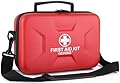

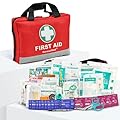

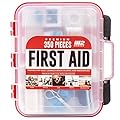
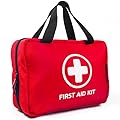
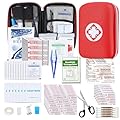
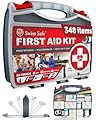
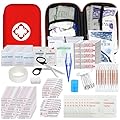


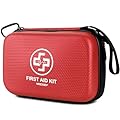

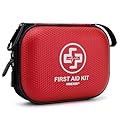
The Importance of a First Aid Kit for RV Travel
RVing often involves venturing into remote areas where medical facilities may be hours away. A cut from a hiking trail, a burn from a campfire, or an unexpected allergic reaction can quickly turn a fun trip into a stressful situation. A first aid kit provides immediate solutions to these common issues, allowing you to stabilize a situation until professional help is available. For example, cleaning and bandaging a wound can prevent infection, while burn gel can soothe pain from a cooking mishap.
Beyond minor injuries, RV travel involves unique risks. The mobile nature of an RV means you’re constantly navigating new environments, from rugged campgrounds to unfamiliar trails. Activities like hiking, fishing, or even setting up camp can lead to scrapes, sprains, or insect bites. Additionally, RVs are often used for extended trips, increasing the likelihood of needing medical supplies for chronic conditions or unexpected illnesses. A well-stocked first aid kit ensures you’re prepared for these scenarios, offering peace of mind to focus on enjoying your adventure.
Key Features of an Effective RV First Aid Kit
When selecting or assembling a first aid kit for your RV, consider the following features to ensure it meets your needs:
-
Compactness: RV storage is often limited, so the kit should be small enough to fit in a cabinet or under a sink without sacrificing essential supplies.
-
Durability: Travel can be tough on equipment. Choose a kit with a hard-shell case or a sturdy, water-resistant bag to protect contents from bumps, moisture, or dust.
-
Organization: In an emergency, every second counts. A kit with clear compartments or labeled sections allows you to find supplies quickly.
-
Comprehensiveness: The kit should cover a wide range of scenarios, from minor cuts to allergic reactions, ensuring you’re prepared for most common emergencies.
-
Ease of Access: Store the kit in an easily reachable location, such as near the RV’s entrance or in a designated emergency compartment, for quick retrieval.
Types of First Aid Kits for RVs
RV first aid kits come in various forms, each suited to different needs and preferences. Here are the main types to consider:
-
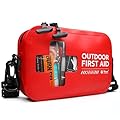
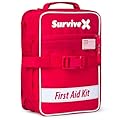
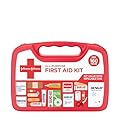
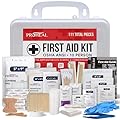
Pre-Made Kits: These are convenient, pre-packaged kits available at retailers like Amazon or camping stores. They range from basic kits costing around $5 to comprehensive ones priced up to $100. Examples include the Surviveware Small or Adventure Medical Kits Mountain Series, which are designed for outdoor activities and can be adapted for RV use.
-
Custom Kits: Building your own kit allows you to tailor it to your family’s specific needs, such as including medications for allergies or chronic conditions. This option is ideal for those with unique medical requirements or who plan specific activities like hiking or boating.
-
Specialized Kits: Some kits are designed for activities like camping or hiking, which overlap with RV travel. These often include outdoor-specific items like burn treatments or insect bite remedies, making them suitable for RV camping.
Essential Items for Your RV First Aid Kit
A well-stocked RV first aid kit should include a variety of supplies to address common injuries and emergencies. Below is a detailed list, organized by category, to ensure you’re prepared for most situations.
Wound Care
|
Item |
Purpose |
|---|---|
|
Adhesive bandages (assorted sizes) |
Cover small cuts and scrapes |
|
Gauze pads (various sizes) |
Dress larger wounds or absorb bleeding |
|
Adhesive tape |
Secure gauze or bandages |
|
Antiseptic wipes or solution (e.g., hydrogen peroxide, iodine) |
Clean wounds to prevent infection |
|
Antibiotic ointment |
Promote healing and prevent infection |
|
Sterile saline solution |
Flush debris from wounds or eyes |
Burn Treatment
|
Item |
Purpose |
|---|---|
|
Burn cream or gel |
Soothe and treat minor burns from campfires or cooking |
|
Non-stick burn dressings |
Protect burns without sticking to skin |
Insect Bite and Sting Treatment
|
Item |
Purpose |
|---|---|
|
Antihistamine cream |
Relieve itching from insect bites |
|
Hydrocortisone cream |
Reduce inflammation from bites or rashes |
|
Tweezers |
Remove stingers or splinters |
Pain Relief and Fever Reduction
|
Item |
Purpose |
|---|---|
|
Acetaminophen (Tylenol) |
Relieve pain and reduce fever |
|
Ibuprofen (Advil, Motrin) |
Reduce pain, inflammation, and fever |
|
Aspirin |
Pain relief for adults (use cautiously with children) |
Allergy Medication
|
Item |
Purpose |
|---|---|
|
Antihistamines (e.g., Benadryl) |
Treat mild allergic reactions |
|
Epinephrine auto-injector (EpiPen) |
Manage severe allergic reactions (if prescribed) |
Digestive Issues
|
Item |
Purpose |
|---|---|
|
Antidiarrheal medication (e.g., Imodium) |
Control diarrhea |
|
Antacids (e.g., Tums, Maalox) |
Relieve heartburn or indigestion |
Respiratory Issues
|
Item |
Purpose |
|---|---|
|
Inhaler |
Manage asthma attacks (if prescribed) |
|
Cough drops or lozenges |
Soothe sore throats or coughs |
Personal Care
|
Item |
Purpose |
|---|---|
|
Hand sanitizer |
Maintain hygiene in remote areas |
|
Moist towelettes |
Clean hands or surfaces |
|
Sunscreen (SPF 30 or higher) |
Protect skin from UV rays |
|
Lip balm with SPF |
Prevent chapped lips |
|
Insect repellent |
Ward off mosquitoes and other insects |
Tools and Equipment
|
Item |
Purpose |
|---|---|
|
Scissors |
Cut tape, gauze, or clothing |
|
Tweezers |
Remove splinters or debris |
|
Thermometer |
Monitor fever |
|
Safety pins |
Secure bandages or clothing |
|
Needle |
Remove splinters |
|
Pen and paper |
Record symptoms or instructions |
Emergency Preparedness
|
Item |
Purpose |
|---|---|
|
Emergency blanket |
Provide warmth in emergencies |
|
Whistle |
Signal for help |
|
Flashlight with extra batteries |
Illuminate in low-light conditions |
|
Multi-tool or knife |
Assist in various tasks |
|
Duct tape |
Secure splints or makeshift repairs |
|
Water purification tablets |
Ensure safe drinking water |
Documentation
|
Item |
Purpose |
|---|---|
|
First aid manual or guidebook |
Provide instructions for treatment |
|
List of emergency contacts |
Quick access to important numbers |
|
Copies of insurance cards and ID |
Facilitate medical care |
|
Local emergency numbers |
Contact help in specific areas |
Why RV First Aid Kits Are Unique
RV first aid kits differ from standard home kits due to the unique challenges of RV travel. Here’s why:
-
Portability and Durability: RVs are constantly on the move, so the kit must be compact to fit in limited storage and durable to withstand vibrations and temperature changes. A hard-shell case or water-resistant bag is ideal.
-
Outdoor-Specific Needs: RVing often involves outdoor activities like hiking, fishing, or campfire cooking, which increase the risk of cuts, burns, or insect bites. The kit should include supplies like burn gel, antihistamine cream, and insect repellent to address these risks.
-
Remote Locations: In remote areas, medical help may be far away. Including emergency items like a whistle, emergency blanket, or water purification tablets can be critical in survival situations.
-
Family-Specific Needs: If traveling with children, pets, or individuals with medical conditions, the kit should include age-appropriate medications, pet-safe supplies, or specific items like an EpiPen.
Maintaining Your RV First Aid Kit
A first aid kit is only effective if it’s well-maintained. Follow these tips to keep your kit ready for action:
-
Regular Checks: Inspect your kit annually or before each major trip to replace expired medications and restock used items. Most first aid supplies have a shelf life of three to five years.
-
Restocking After Use: If you use any items, replace them immediately to ensure the kit is always fully stocked.
-
Storage: Store the kit in a cool, dry place away from direct sunlight to preserve the effectiveness of medications. Avoid areas prone to extreme heat or moisture, such as near the RV’s engine or bathroom.
-
Customization: As you gain RVing experience, adjust the kit based on your activities or family needs. For example, if you frequently hike, add more bandages and blister treatments.
-
Training: Knowing how to use your kit is as important as having it. Consider taking a first aid and CPR course from organizations like the American Red Cross to learn how to treat injuries effectively.
Real-World Scenarios
To illustrate the importance of an RV first aid kit, consider these scenarios:
-
Scenario 1: A Hiking Mishap
While hiking near your campsite, a family member trips and scrapes their knee on a rock. Using antiseptic wipes and adhesive bandages from your kit, you clean and cover the wound, preventing infection until you return to civilization. -
Scenario 2: A Campfire Burn
During a campfire cookout, someone accidentally touches a hot skillet, resulting in a minor burn. Burn gel and non-stick dressings from your kit provide immediate relief and protect the skin. -
Scenario 3: An Allergic Reaction
A camper is stung by a bee and experiences mild swelling. Antihistamine cream and oral antihistamines from your kit reduce discomfort, while an EpiPen is available for severe reactions.
These examples highlight how a well-prepared kit can address common RV-related incidents, ensuring safety and comfort.