
Water Systems for Travelers
Shop for top-rated water systems for travelers, including portable filters, purifiers, and hydration gear. Stay safe and hydrated on every journey with trusted travel water solutions.



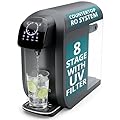
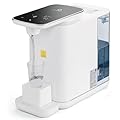
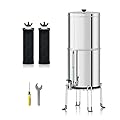
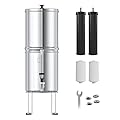



Why Water Systems Matter for Travelers
Staying hydrated is non-negotiable, but access to safe drinking water isn’t always guaranteed. In many parts of the world, tap water may contain contaminants like bacteria, viruses, or chemicals that can cause illness. Even in developed regions, unfamiliar water sources can upset your stomach or worse. Relying on bottled water isn’t always practical—it’s expensive, environmentally harmful, and often unavailable in remote areas. That’s where water systems for travelers come in. These innovative tools let you purify, store, and carry water with ease, giving you peace of mind and reducing your environmental footprint.
Water systems are designed with travelers in mind, prioritizing portability, durability, and ease of use. They come in various forms to suit different travel styles—whether you’re a backpacker needing a lightweight filter for river water, a road-tripper wanting a reusable bottle with built-in purification, or a family traveler looking for a high-capacity system for group camping. By investing in the right water system, you ensure safe hydration, save money, and contribute to a more sustainable way of exploring the world.
Types of Water Systems for Travelers
The water systems market offers a range of products tailored to different travel needs. Below, we break down the main categories to help you choose the right one for your adventures.
Portable Water Filters
Portable water filters are a go-to choice for outdoor enthusiasts and travelers in areas with questionable water quality. These compact devices remove bacteria, protozoa, and sediments from natural water sources like rivers, lakes, or streams, making them safe to drink. Filters work by physically straining out contaminants through tiny pores, often measured in microns (the smaller the micron rating, the more effective the filter).
-
Straw Filters: These lightweight, tube-like devices let you drink directly from a water source, like sipping through a straw. They’re ideal for solo travelers or hikers who need a quick, no-fuss solution. Many straw filters can also connect to bottles or hydration packs for versatility.
-
Pump Filters: Pump filters use a hand-operated pump to push water through a filtration system. They’re great for group travel or situations where you need to filter larger volumes of water. While bulkier than straws, they’re still portable and highly effective.
-
Gravity Filters: These systems use gravity to pull water through a filter, making them perfect for base camps or group outings. You simply fill a reservoir, hang it up, and let the filter do the work. They’re low-effort but may take longer to process water.
Portable filters are best for outdoor adventures where natural water sources are available. They’re lightweight, easy to use, and don’t require power, making them reliable in remote areas. However, they may not remove viruses, so they’re less suited for urban travel in regions with poor sanitation.
Water Purifiers
For travelers needing the highest level of protection, water purifiers go beyond filtration by eliminating viruses, which are smaller than bacteria and require advanced technology to remove. Purifiers often combine filtration with chemical treatment (like iodine or chlorine) or ultraviolet (UV) light to neutralize all pathogens.
-
UV Purifiers: These compact devices use UV light to disrupt the DNA of harmful microorganisms, rendering them harmless. They’re fast, easy to use, and ideal for clear water sources. However, they require batteries or a power source, which can be a drawback in off-grid settings.
-
Chemical Purifiers: Tablets or drops containing chlorine or iodine can purify water in minutes. They’re ultralight and perfect for emergency kits or minimalist travelers, but the taste can be off-putting, and they require waiting time before drinking.
-
Hybrid Purifiers: Some devices combine filtration and purification (like a filter with a built-in UV light) for maximum safety. These are great for international travel where water quality varies widely.
Purifiers are essential for travel in developing countries or areas with known waterborne viruses like hepatitis A. They’re slightly more complex than filters but offer superior protection for high-risk environments.
Reusable Water Bottles with Filtration
For urban travelers or those sticking to developed areas, reusable water bottles with built-in filters offer convenience and style. These bottles look like regular water bottles but contain a filtration system that cleans tap water as you drink. They’re perfect for airports, hotels, or cafes where tap water is available but not entirely trustworthy.
-
Filtered Bottles: These typically use carbon filters to remove chlorine, odors, and some contaminants while improving taste. They’re great for city travel or road trips and often feature sleek designs for everyday use.
-
Insulated Filtered Bottles: Some models combine filtration with insulation to keep water cold or hot for hours. These are ideal for long flights or outdoor excursions where temperature control matters.
These bottles are less suited for wilderness settings, as they’re designed for tap water rather than natural sources. However, their portability and reusability make them a sustainable choice for eco-conscious travelers.
Hydration Packs
Hydration packs, also known as hydration bladders or reservoirs, are flexible bags that hold water and connect to a drinking tube. They’re popular among hikers, cyclists, and runners because they allow hands-free hydration. Many modern hydration packs are compatible with portable filters or purifiers, letting you refill from natural sources.
-
Backpack-Integrated Packs: These fit into specially designed backpacks with compartments for the bladder and tube. They’re great for long hikes or multi-day treks, with capacities ranging from 1 to 3 liters.
-
Standalone Bladders: These can be used with any compatible backpack or carried alone. They’re versatile but less structured than integrated systems.
Hydration packs are best for active travelers who need to stay hydrated during physical activities. Their large capacity and hands-free design make them a favorite for outdoor adventures, but they can be bulky for casual travel.
Collapsible Water Bottles and Containers
For travelers tight on space, collapsible water bottles and containers are a game-changer. Made from flexible materials like silicone, these products shrink down when empty, fitting easily into a backpack or carry-on. They’re ideal for day trips, urban travel, or as a backup water storage solution.
-
Collapsible Bottles: These lightweight bottles hold 0.5 to 1 liter of water and collapse into a small disc or roll when empty. They’re great for travelers who want to save space without sacrificing capacity.
-
Collapsible Reservoirs: Larger than bottles, these containers can hold several liters and are perfect for group camping or road trips. They’re durable enough for outdoor use but compact when not in use.
Collapsible systems are less about purification and more about convenient storage, so they’re best paired with a filter or purifier if you’re sourcing water from natural environments.
Key Features to Look for in a Traveler’s Water System
With so many options, choosing the right water system comes down to your travel style and priorities. Here are the key features to consider:
Portability
Travelers need lightweight, compact systems that won’t weigh down their luggage. Look for products with a low weight (under 1 pound for most filters and purifiers) and a small packed size. Collapsible bottles and straw filters are among the most portable, while pump or gravity filters may be bulkier but still manageable for group travel.
Filtration and Purification Capabilities
Check the system’s ability to remove contaminants. Filters with a pore size of 0.1–0.2 microns can handle bacteria and protozoa, while purifiers or hybrid systems are needed for viruses. Some products list the specific pathogens they target, like E. coli or Giardia, so you can match the system to your destination’s risks.
Capacity and Flow Rate
Capacity matters for group travel or long trips without resupply points. Hydration packs and gravity filters typically offer higher capacities (1–10 liters), while bottles and straws are better for solo use (0.5–1 liter). Flow rate—how quickly water is filtered or purified—is also key. Straw filters and UV purifiers are fast, while gravity systems may take longer but require less effort.
Durability
Travel gear takes a beating, so choose systems made from rugged materials like BPA-free plastics, silicone, or stainless steel. Look for products with replaceable parts (like filter cartridges) to extend their lifespan. For outdoor use, ensure the system can withstand drops, extreme temperatures, and rough handling.
Ease of Use
A good water system should be intuitive, even in challenging conditions. Straw filters and UV purifiers are simple to operate, while pump filters may require practice. Consider how easy it is to clean and maintain the system, especially on long trips where dirt and debris can clog filters.
Sustainability
Reusable systems reduce reliance on single-use plastic bottles, making them an eco-friendly choice. Look for products with recyclable components or long-lasting filters to minimize waste. Some brands also offer programs to recycle used filter cartridges.
Benefits of Using Water Systems for Travelers
Investing in a water system offers numerous advantages that enhance your travel experience:
-
Health and Safety: Filters and purifiers protect against waterborne illnesses, letting you explore with confidence.
-
Cost Savings: Reusable systems eliminate the need to buy bottled water, saving you money over time.
-
Environmental Impact: By reducing plastic waste, you contribute to cleaner destinations and a healthier planet.
-
Convenience: Compact systems fit easily into your travel gear, and many allow you to drink directly from natural sources.
-
Versatility: From urban tap water to mountain streams, water systems adapt to a variety of environments.
Choosing the Right Water System for Your Trip
Your ideal water system depends on where and how you travel. Here are some recommendations based on common travel scenarios:
-
Backpacking and Hiking: A straw filter or lightweight purifier paired with a hydration pack is perfect for accessing natural water sources on the trail.
-
International Travel: A UV purifier or hybrid filter-purifier ensures safety in regions with poor water quality, while a filtered bottle is handy for urban settings.
-
Camping: Gravity filters or large-capacity reservoirs are great for groups or base camps where you need to process larger volumes of water.
-
Urban Adventures: A sleek, filtered water bottle or collapsible bottle offers convenience and style for city travel.
-
Emergency Preparedness: Chemical purifiers or compact straw filters are ideal for emergency kits, providing a lightweight backup for unexpected situations.
Maintenance and Care Tips
To keep your water system performing at its best, follow these tips:
-
Clean Regularly: Rinse filters and bottles after each use to prevent buildup of dirt or bacteria. Some systems are dishwasher-safe for easy cleaning.
-
Replace Filters: Most filters have a limited lifespan (e.g., 100–1,000 liters), so carry spares or replace them as recommended.
-
Store Properly: Dry your system thoroughly before storing to prevent mold or mildew. Collapsible systems should be stored flat or rolled to save space.
-
Test Before Travel: Practice using your system at home to ensure you’re comfortable with its operation, especially for pump or gravity filters.