
Covers for RV
Protect your RV from sun, rain, snow, and dust with durable, all-weather RV covers. Shop covers for motor homes, travel trailers, campers, and fifth wheels in a variety of sizes and materials. With options for every RV type, climate, and budget, there’s a cover to suit your needs.


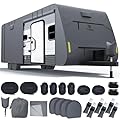

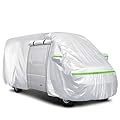


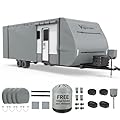
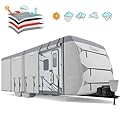
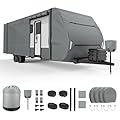


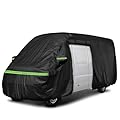

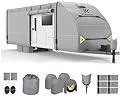

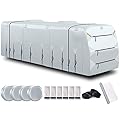


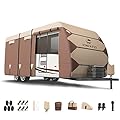

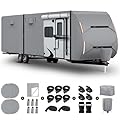
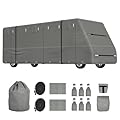
Why RV Covers Matter
RV covers are more than just accessories—they’re a shield against the harsh realities of nature. From blistering sun to torrential rain, your RV faces constant exposure to environmental factors that can degrade its exterior, interior, and mechanical components. A quality RV cover protects against:
-
UV Damage: Prolonged sun exposure fades paint, cracks rubber seals, and weakens fabrics. A good cover blocks harmful UV rays, preserving your RV’s appearance.
-
Weather Elements: Rain, snow, ice, and wind can cause rust, mold, and structural damage. Covers act as a barrier, keeping moisture and debris at bay.
-
Debris and Scratches: Falling leaves, twigs, bird droppings, and dust can scratch surfaces or clog vents. A cover prevents these nuisances from accumulating.
-
Pest Protection: Rodents and insects can infiltrate uncovered RVs, damaging wiring and upholstery. A snug cover reduces entry points for pests.
Investing in a high-quality RV cover ensures your vehicle remains in top condition, saving you costly repairs and maintaining its resale value. Whether you store your RV in your driveway, a storage facility, or a campsite, a cover is a small investment for long-term peace of mind.
Types of RV Covers
RV covers come in various styles tailored to different vehicle types and storage needs. Understanding the options helps you select the right cover for your specific RV. Below are the main categories:
1. Class A RV Covers
Class A RVs are the largest, often resembling buses with luxurious interiors. Covers for these vehicles are designed to accommodate their size, typically ranging from 20 to 45 feet in length. They feature reinforced seams, adjustable straps, and zippered panels for easy access to doors and storage compartments. Class A covers prioritize full coverage, including slide-outs and rooftop accessories like air conditioners and satellite dishes.
2. Class B RV Covers
Class B RVs, or camper vans, are compact and versatile. Covers for these vehicles are lightweight and easy to install, fitting snugly over vans up to 20 feet long. They often include elastic hems or drawstrings to ensure a secure fit, protecting against wind and debris while maintaining breathability to prevent mold.
3. Class C RV Covers
Class C RVs, recognizable by their cab-over design, require covers that account for their unique shape. These covers fit vehicles typically between 20 and 32 feet and include extra material to cover the overhanging cab. They often feature reinforced corners to handle the stress of covering angular designs.
4. Fifth-Wheel RV Covers
Fifth-wheel RVs have a distinctive raised front section that connects to a tow vehicle. Their covers are designed to fit this elevated profile, with lengths ranging from 20 to 41 feet. These covers often include adjustable buckles and tension panels to secure the cover over the hitch area and slide-outs.
5. Travel Trailer Covers
Travel trailers vary widely in size and shape, from compact teardrop trailers to spacious models over 30 feet. Covers for travel trailers are versatile, with options for single-axle or tandem-axle designs. They include features like zippered access panels and reinforced tie-downs to withstand wind and weather.
6. Pop-Up Camper Covers
Pop-up campers are lightweight and collapsible, requiring covers that protect both the folded and expanded states. These covers are typically made of flexible, durable materials to accommodate the camper’s compact size during storage, usually fitting models up to 18 feet.
7. Toy Hauler Covers
Toy haulers, designed to carry recreational equipment like ATVs or motorcycles, need covers that protect both the living quarters and the cargo area. These covers are built to handle the extra width and height of toy haulers, often featuring heavy-duty fabrics to resist tears from sharp equipment edges.
8. Universal RV Covers
For RVers with unique or custom vehicles, universal covers offer a one-size-fits-most solution. While not as tailored as model-specific covers, they provide decent protection for a range of RV sizes and shapes, often with adjustable straps and elastic hems for a better fit.
Key Features to Look for in an RV Cover
Not all RV covers are created equal. The best ones combine durability, functionality, and ease of use. Here are essential features to consider:
Durable Materials
RV covers are typically made from polyester, polypropylene, or vinyl, each offering distinct advantages:
-
Polyester: Lightweight and breathable, polyester resists UV rays and mildew, making it ideal for moderate climates.
-
Polypropylene: A multi-layered, non-woven fabric that balances breathability and water resistance. It’s perfect for all-season protection.
-
Vinyl: Heavy-duty and highly water-resistant, vinyl is best for extreme weather but may trap moisture if not properly vented.
Look for multi-layered fabrics (e.g., 3- or 4-ply) for added strength and weather resistance. Some covers include a soft inner lining to prevent scratches on your RV’s finish.
Weather Resistance
A good RV cover should repel water while allowing air circulation to prevent mold and mildew. Look for covers labeled as “water-resistant” or “water-repellent” rather than “waterproof,” as fully waterproof covers can trap moisture. UV-resistant coatings are also critical for sun protection.
Ventilation Systems
Proper ventilation prevents condensation buildup, which can lead to mold and corrosion. High-quality covers feature built-in vents or mesh panels to promote airflow, especially in humid climates.
Secure Fit
A loose cover can flap in the wind, causing wear and tear, while an overly tight cover may strain seams. Look for covers with elastic hems, adjustable straps, or buckles to ensure a snug, custom-like fit. Some models include weighted tie-downs or gust guards to secure the cover in windy conditions.
Easy Access
Zippered panels or roll-up flaps allow you to access your RV’s doors, windows, or storage compartments without removing the cover. This is especially useful for maintenance or retrieving items during storage.
Storage and Portability
A good RV cover comes with a storage bag for easy transport and compact storage when not in use. Lightweight materials and foldable designs make installation and removal hassle-free.
Warranty
Reputable brands offer warranties ranging from one to three years, covering defects in materials or workmanship. A longer warranty indicates confidence in the cover’s durability.
Benefits of Using an RV Cover
Investing in an RV cover offers numerous advantages beyond basic protection. Here’s why they’re a must-have for RV owners:
Extended RV Lifespan
By shielding your RV from sun, rain, and debris, a cover prevents premature aging of exterior components like paint, decals, and seals. This reduces the need for costly repairs or replacements.
Cost Savings
A cover minimizes damage that could lead to expensive fixes, such as repainting, resealing, or replacing damaged tires. It also reduces the frequency of professional cleaning or detailing.
Improved Resale Value
An RV in pristine condition commands a higher resale price. A cover keeps your vehicle looking newer for longer, making it more attractive to potential buyers.
Convenience
Covers simplify maintenance by keeping your RV clean and ready for your next trip. Instead of scrubbing off dirt or sap, you can hit the road faster.
Environmental Protection
For eco-conscious RVers, covers reduce the need for chemical cleaners and water-intensive washing, minimizing your environmental footprint.
Choosing the Right RV Cover for Your Needs
Selecting the perfect RV cover depends on your vehicle type, storage conditions, and budget. Follow these steps to make an informed decision:
1. Measure Your RV
Accurate measurements are crucial for a proper fit. Measure your RV’s length, width, and height, including any accessories like ladders, antennas, or air conditioners. Account for slide-outs and hitches, as these increase the overall dimensions.
2. Consider Your Climate
Your storage location’s weather plays a big role in material choice:
-
Sunny Climates: Prioritize UV-resistant covers to prevent fading and cracking.
-
Wet Climates: Choose water-repellent, breathable covers with strong ventilation to combat moisture.
-
Cold Climates: Opt for heavy-duty covers that resist snow and ice buildup.
-
Windy Areas: Look for reinforced tie-downs and gust guards to keep the cover secure.
3. Evaluate Storage Conditions
Where you store your RV affects the type of cover you need:
-
Outdoor Storage: Choose a heavy-duty, all-weather cover with strong UV and water resistance.
-
Indoor Storage: A lightweight, breathable cover is sufficient to protect against dust and pests.
-
Partially Covered Storage: Select a cover with moderate weather resistance for areas with partial shelter, like carports.
4. Set a Budget
RV covers range from $50 for basic models to over $500 for premium, model-specific options. While budget-friendly covers offer decent protection, investing in a higher-quality cover often pays off in durability and features.
5. Check Reviews and Brands
Research reputable brands known for quality and customer service. Customer reviews can provide insights into real-world performance, such as ease of installation, durability, and weather resistance.
Installation and Maintenance Tips
Proper installation and care ensure your RV cover performs at its best. Follow these tips:
Installation
-
Clean Your RV: Wash and dry your RV before covering to prevent dirt from scratching the surface.
-
Check for Sharp Edges: Pad or cover sharp edges like antennas or mirrors to avoid tearing the cover.
-
Follow Instructions: Use the provided straps, buckles, or tie-downs to secure the cover tightly but not overly taut.
-
Team Up: For larger RVs, enlist a helper to make installation easier and safer.
Maintenance
-
Regular Inspections: Check the cover periodically for tears, loose straps, or trapped moisture.
-
Clean the Cover: Follow the manufacturer’s cleaning instructions, typically involving mild soap and water. Avoid harsh chemicals that can degrade the material.
-
Store Properly: When not in use, fold the cover neatly and store it in its bag to prevent damage.
Common Mistakes to Avoid
To maximize your RV cover’s effectiveness, steer clear of these pitfalls:
-
Choosing the Wrong Size: An ill-fitting cover can flap in the wind or fail to protect key areas. Always measure your RV carefully.
-
Ignoring Ventilation: Poorly vented covers trap moisture, leading to mold and corrosion.
-
Skipping Maintenance: Neglecting to clean or inspect your cover can shorten its lifespan.
-
Buying Cheap, Low-Quality Covers: Bargain covers may save money upfront but often lack durability and weather resistance.